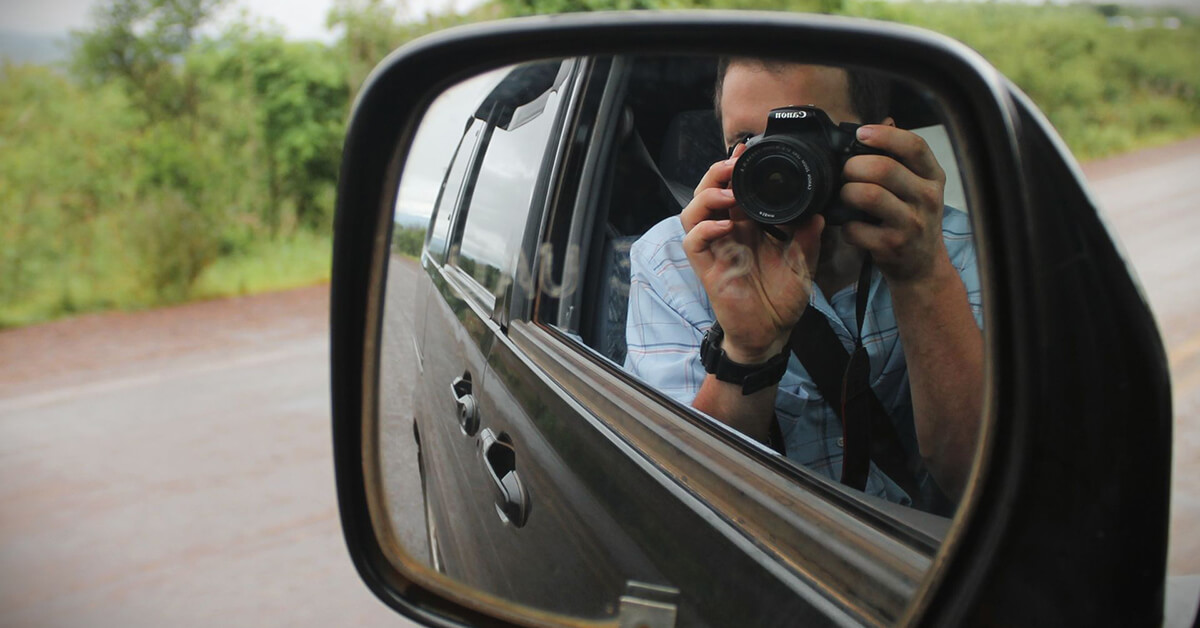
Have you ever looked at yourself in the mirror and felt completely satisfied with your appearance, only to see a photograph later and wonder, “Is that really how I look?”
You are not alone. This is one of the most common questions people ask about their appearance. Many people notice that they look different in mirrors, selfies, smartphone photos, professional portraits, and videos. Sometimes the difference is small, while other times it can feel surprisingly dramatic.
So, what is actually happening?
Does a mirror show your real appearance? Is a camera more accurate? Do other people see you the way you see yourself in the mirror, or do they see the version shown in photographs?
The truth is that mirrors and cameras represent your appearance in different ways. A mirror reflects light directly and gives you a real-time image, but it reverses your orientation. A camera records light through a lens and creates a two-dimensional image, but the final result can be affected by lens type, distance, perspective, angle, lighting, and digital processing.
Neither one tells the complete story by itself.
In this guide, we will explore the science and psychology behind mirrors and cameras, explain why you may look different in photographs, and help you understand which one provides the most accurate representation of your appearance.
Key Takeaways
- Mirrors show a reflected and horizontally reversed version of your appearance.
- Cameras usually capture your face without the mirror reversal.
- A photograph can be closer to how other people see you, but camera settings and perspective can create distortion.
- Wide-angle lenses and close-up selfies can change facial proportions.
- Mirrors can also distort your appearance if they are curved, warped, or poor quality.
- Lighting plays a major role in how you look in both mirrors and photographs.
- People often prefer their mirror image because it is the version they see most frequently.
- Other people do not see you exactly like a mirror or a photograph—they see you in three dimensions and in motion.
- The most realistic understanding of your appearance comes from comparing multiple perspectives.
How Does a Mirror Show Your Appearance?
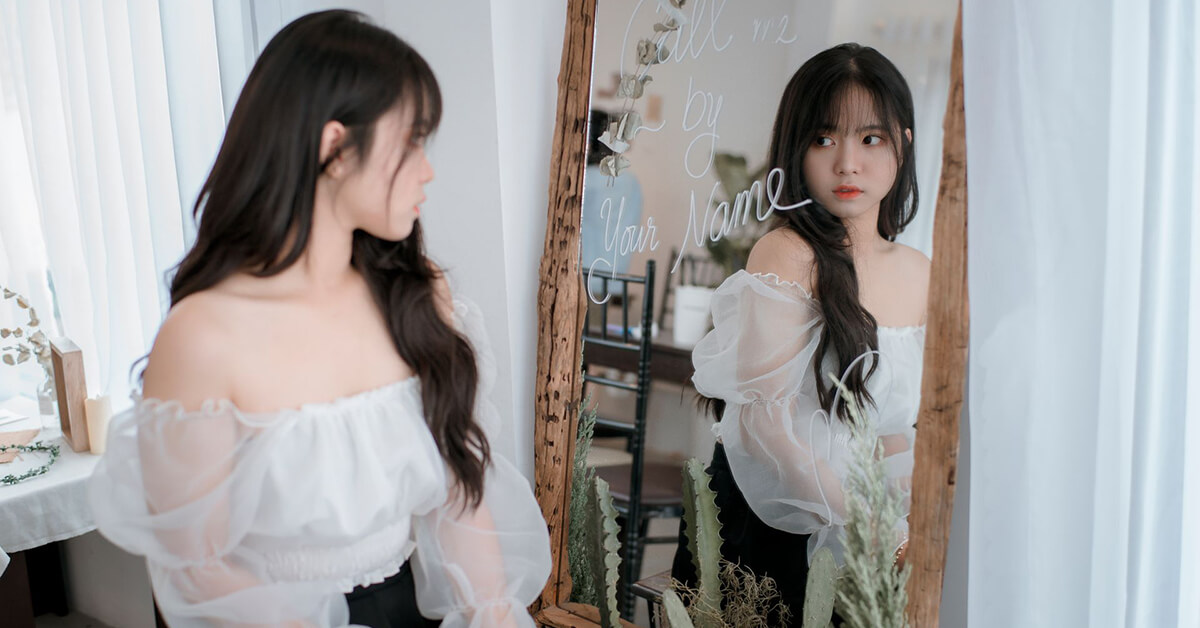
A mirror works by reflecting light.
When light travels from your face or body toward a mirror, the reflective surface sends that light back toward your eyes. Your brain then interprets the reflected light as an image of yourself.
This happens almost instantly, which is why mirrors provide a live view of your appearance.
However, there is an important difference between seeing yourself in a mirror and seeing yourself in real life.
A mirror does not show you from the same orientation that other people see.
Understanding Mirror Reversal
When you raise your right hand in front of a mirror, the reflection appears to raise its left hand.
This is commonly described as a left-right reversal or lateral inversion.
For this reason, text appears backward in a mirror. If you hold a shirt with printed words in front of a mirror, the letters will appear reversed.
The same principle affects your face.
Human faces are not perfectly symmetrical. One eyebrow may be slightly higher than the other. One side of your smile may move differently. Your hair may naturally fall more toward one side.
When your reflection is reversed, these features also appear on opposite sides.
Because you see this reflected version every day, it becomes the version of yourself that feels most familiar.
Why Do You Look Different in the Mirror Than in Photos?
There are several reasons why your mirror image and photographs can look different.
The first reason is image orientation.
Mirrors reverse your reflection, while cameras generally do not.
The second reason is familiarity.
You may look into a mirror multiple times every day. You use it while brushing your hair, getting dressed, shaving, applying makeup, or checking your appearance.
Over time, your brain becomes highly familiar with your reflected face.
When you see an unflipped photograph, your facial features appear in an orientation that feels unfamiliar. This can make the photograph seem strange, even though it may look perfectly normal to everyone else.
Another reason is that mirrors show movement.
You can slightly adjust your head, change your posture, smile naturally, or find a flattering angle while looking at yourself.
A photograph freezes a single moment.
That single frame might capture you blinking, speaking, moving, or making an expression that you would rarely notice in real life.
Therefore, a photograph does not always look worse because it is more accurate. Sometimes it simply captures an unflattering moment.
How Do Cameras Capture Images?
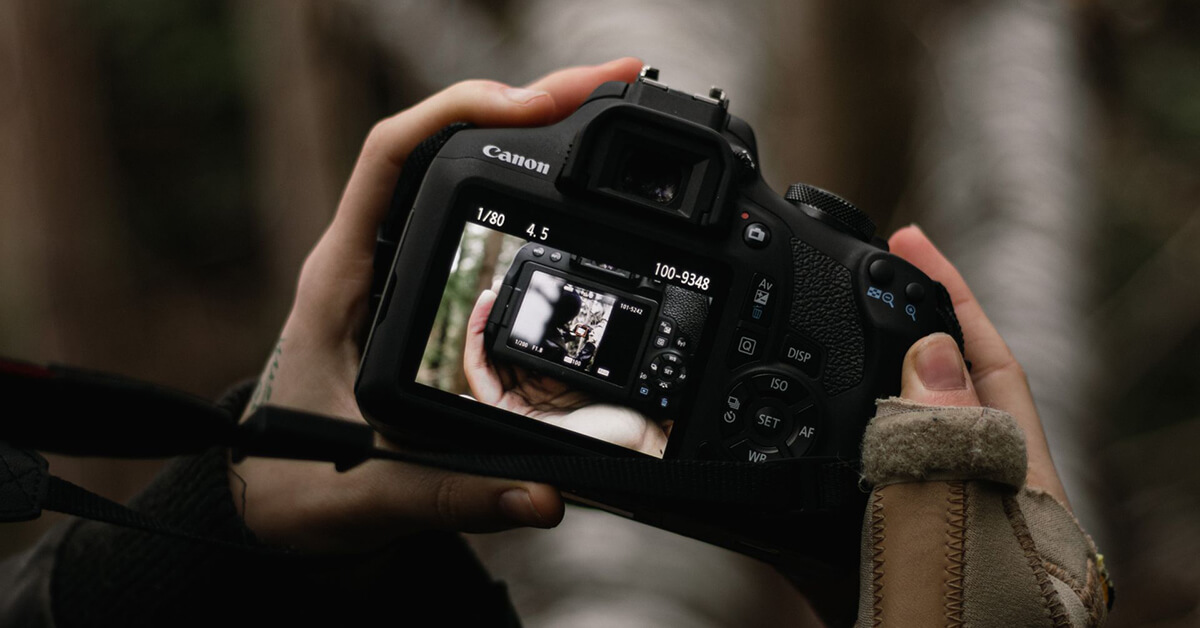
Cameras capture images very differently from mirrors.
Instead of reflecting light back toward your eyes, a camera collects light through a lens.
The lens focuses the light onto a digital sensor. The sensor converts that information into a digital image.
Unlike a mirror, a standard camera photograph usually does not reverse your left and right sides.
This means that the image often shows your facial features in the same orientation that other people normally see.
However, this does not mean that every camera image is perfectly accurate.
Cameras can change the appearance of your face and body depending on several factors.
These include:
- Lens type
- Focal length
- Camera distance
- Shooting angle
- Lighting
- Sensor size
- Image processing
- Smartphone software
- Perspective
This is why two photographs of the same person can look dramatically different.
Mirror Image vs Camera Image
The main difference between a mirror and a camera is perspective.
A mirror gives you a live, reflected image.
A camera captures a fixed image from one particular position.
When you stand in front of a mirror, you naturally move your head and body. Your eyes observe your reflection from slightly different positions.
A camera does not work that way.
It captures one specific perspective at one specific moment.
For example, imagine taking ten photos of yourself from ten different positions. You might notice that every photo looks slightly different.
One may make your face look wider.
Another may make your jawline more noticeable.
One may emphasize your eyes.
Another may make your nose appear larger.
This does not mean your appearance is constantly changing.
It means perspective changes how a three-dimensional face is represented in a two-dimensional image.
The Psychology Behind the Mirror Effect
There is also a psychological reason why people often prefer their mirror image.
Humans generally become comfortable with familiar things.
You have probably spent years seeing your face in mirrors.
That repeated exposure creates familiarity.
Your brain recognizes your mirror image as your normal appearance.
When you see an unflipped photograph, however, small differences can become more noticeable.
A hairstyle may appear to fall toward the opposite side.
A slightly uneven eyebrow may suddenly stand out.
Your smile may appear different.
These differences can make the photograph feel unusual.
But here is the important point: other people are already familiar with your unflipped appearance.
They do not experience the same surprise that you do.
What looks strange to you in a photograph may look completely normal to everyone around you.
Is a Camera More Accurate Than a Mirror?
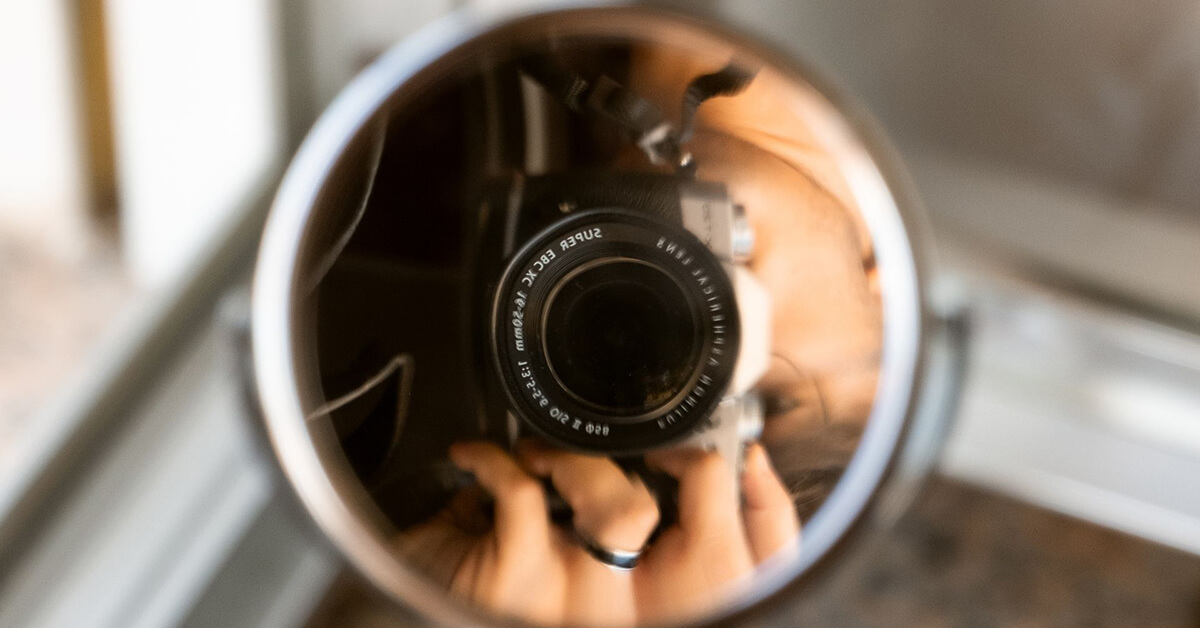
This depends on what you mean by “accurate.”
If you are asking which one shows your left and right sides in the same orientation that other people see, a camera generally provides a closer representation.
A mirror reverses your image.
However, cameras have their own limitations.
A photograph can become inaccurate when:
- The camera is too close to your face.
- A wide-angle lens is used.
- The camera angle is unusual.
- The lighting is extreme.
- Digital filters are applied.
- The image is heavily processed.
Therefore, a poorly taken photograph may not accurately represent your real appearance.
Likewise, a warped or curved mirror may also distort your reflection.
The best answer is that both mirrors and cameras can be accurate under the right conditions, but they represent you differently.
How Camera Lenses Affect Your Appearance
Camera lenses have a major impact on how you appear in photographs.
Different lenses create different perspectives.
Wide-Angle Lenses
Wide-angle lenses capture a larger area.
They are useful for landscapes, architecture, group photos, and environmental photography.
However, they can create perspective distortion when used very close to a person’s face.
If you take a selfie with a wide-angle lens from a short distance, features closer to the camera can appear larger.
For example:
- The nose may appear bigger.
- The forehead may appear wider.
- The cheeks may look different.
- The face may appear stretched.
- The outer edges of the image may become distorted.
This is one of the main reasons selfies can look different from mirrors.
The closer the camera is to your face, the stronger the perspective effect can become.
Telephoto Lenses
Telephoto lenses create a different appearance.
They are usually used from a greater distance.
When photographing portraits, a longer focal length can produce more natural-looking facial proportions because the camera does not need to be extremely close to the subject.
Telephoto lenses can also make facial features appear more compressed.
Professional photographers often choose portrait-friendly focal lengths to create balanced images.
However, no lens creates a perfect universal reality.
Every camera setup represents perspective differently.
Why Camera Distance Matters
Camera distance is extremely important.
Imagine holding a smartphone only a few inches away from your face.
Your nose is physically closer to the camera than your ears.
Because of perspective, the closest features can appear larger.
Now imagine taking the same photograph from several feet away.
The difference in distance between your nose, eyes, ears, and cheeks becomes less visually exaggerated.
The result often appears more natural.
This is why many professional portraits are taken from a reasonable distance instead of extremely close to the subject.
If you dislike how you look in close-up selfies, the problem may not be your face.
The camera distance could be the reason.
Can Mirrors Distort Your Appearance?
Yes, mirrors can also distort your appearance.
Most high-quality flat mirrors provide an accurate reflection.
However, not all mirrors are perfectly flat.
Concave and convex mirrors bend reflected light.
This can make objects appear larger, smaller, wider, or stretched.
These mirrors are often used for security purposes, vehicles, or special effects.
They are not designed to provide an accurate representation of your appearance.
Warped or Poor-Quality Mirrors
Even a regular mirror can become slightly distorted.
A mirror may not be perfectly flat because of:
- Manufacturing imperfections
- Poor installation
- Pressure on the glass
- Age
- Heat or moisture damage
A warped mirror may make you appear:
- Taller
- Shorter
- Wider
- Narrower
- Stretched
- Compressed
This is why you may notice that you look different in different mirrors.
A bathroom mirror, gym mirror, clothing store mirror, and elevator mirror may not all produce exactly the same reflection.
How Lighting Changes Your Appearance

Lighting is one of the most powerful factors affecting how you look.
The same person can look dramatically different under different lighting conditions.
For example:
Overhead Lighting
Strong overhead lighting can create shadows under the eyes and nose.
Front Lighting
Soft front lighting can create a smoother and more balanced appearance.
Side Lighting
Side lighting can emphasize facial texture, cheekbones, and facial structure.
Warm Lighting
Warm light can make skin appear more golden or orange.
Cool Lighting
Cool light can make skin appear paler or slightly blue.
Both mirrors and cameras are affected by lighting.
A mirror reflects the lighting that already exists in the environment.
A camera records that lighting, but it may also adjust colors through white balance and digital processing.
This is why your skin tone may look different in a bathroom mirror, outdoor photograph, office lighting, and smartphone selfie.
Mirror vs Camera: Face and Body Proportions
Mirrors and cameras can show face and body proportions differently.
When looking into a mirror, you see yourself from a natural viewing distance.
You can move your body and adjust your position.
A camera, however, captures you from one specific location.
The position of the camera can affect proportions.
For example:
- A camera placed too low may make the lower body appear larger.
- A camera placed too high may make the face appear smaller.
- A close camera can exaggerate nearby features.
- A distant camera can produce a more balanced perspective.
This is why professional photographers carefully choose camera height and distance.
A single photograph should never be considered the complete truth about your appearance.
Perspective always matters.
Colors and Details: Mirror vs Camera
Both mirrors and cameras can display colors and details, but the results may vary.
A mirror reflects the light around you.
Under natural daylight and a high-quality mirror, colors may appear close to reality.
However, colored walls and artificial lighting can influence what you see.
Cameras also capture colors, but digital processing can change them.
Modern smartphones automatically adjust:
- Brightness
- Contrast
- Saturation
- Sharpness
- White balance
- Skin tones
Sometimes these adjustments improve the photograph.
Sometimes they make it less accurate.
Professional cameras can also produce different colors depending on camera settings and editing.
Therefore, neither a mirror nor a camera always guarantees perfect color accuracy.
Depth and Dimension
One major difference between mirrors and photographs is depth.
When you look into a mirror, you experience a live reflection while your eyes continue to perceive the environment in three dimensions.
You can move your head and observe your appearance from slightly different angles.
A photograph is different.
It converts a three-dimensional person into a two-dimensional image.
This can change the visual relationship between facial features.
Professional photographers use several techniques to create the illusion of depth, including:
- Background blur
- Depth of field
- Lighting direction
- Focal length
- Camera positioning
Even with these techniques, a photograph remains a flat representation.
This is one reason why seeing someone in person is different from seeing them in a photograph.
Do Other People See You Like a Mirror or a Camera?
The answer is neither.
Other people do not see you exactly like a mirror.
They also do not see you exactly like a single photograph.
People see you in real life.
That means they see:
- Your movement
- Your facial expressions
- Your posture
- Your personality
- Your body language
- Your face from multiple angles
- Your appearance in three dimensions
A photograph captures only one moment.
A mirror shows a reversed reflection.
Real-life perception is much more complex.
So, if you see one photograph that you dislike, remember that it does not define how everyone sees you.
It is only one visual interpretation from one angle at one moment.
Why Do Selfies Look Different From Professional Photos?
Selfies often look different because of how they are taken.
Most selfies are captured with a front-facing smartphone camera held close to the face.
This creates several potential problems.
Close Distance
The camera is often too close, increasing perspective distortion.
Wide-Angle Lens
Many smartphone cameras use relatively wide lenses.
Screen Preview
Some phones show a mirrored preview before the image is captured.
Saved Image
The final photo may be saved without mirroring.
This can create confusion because the image you saw on the screen may look different from the final photograph.
Digital Processing
Smartphones may automatically apply beauty effects, sharpening, HDR, color adjustments, and other processing.
All of these factors can affect how you appear.
Why You May Look Better in the Mirror
Many people feel that they look better in the mirror than in photographs.
There are several reasons.
First, you are familiar with your reflection.
Second, you can control your pose.
You naturally adjust your posture, expression, and angle.
Third, mirrors show continuous movement.
You are not frozen in a single awkward frame.
Finally, you may unconsciously choose the best lighting and position when looking at yourself.
This creates a more comfortable viewing experience.
A photograph, on the other hand, may capture an unexpected moment.
That does not mean the photograph is necessarily more truthful.
It simply shows one fixed perspective.
Practical Implications: When Should You Use a Mirror or Camera?
Both mirrors and cameras are useful for different purposes.
Use a Mirror When:
A mirror is ideal for:
- Grooming
- Applying makeup
- Styling hair
- Shaving
- Checking clothing
- Adjusting your appearance in real time
Mirrors provide instant feedback and allow you to move naturally.
Use a Camera When:
A camera is useful when you want to:
- Prepare for professional photos
- See how your appearance looks on social media
- Record videos
- Check your presentation
- Understand how others may see your facial orientation
- Create portraits or professional images
A camera provides a different and valuable perspective.
How to Get a More Accurate Image of Yourself
If you want to understand how you really look, do not rely on only one mirror or one photograph.
Instead, compare multiple perspectives.
1. Use a High-Quality Flat Mirror
Choose a large, flat mirror without visible warping.
Natural daylight can provide a more balanced view of colors.
2. Take Photos From a Natural Distance
Avoid placing the camera extremely close to your face.
Move the camera farther away to reduce perspective distortion.
3. Use Natural Lighting
Soft daylight is often useful for creating balanced photographs.
Avoid extremely harsh lighting when trying to judge your natural appearance.
4. Compare Multiple Angles
Do not judge yourself based on one photo.
Take several images from different angles.
5. Record a Video
Video includes movement and natural facial expressions.
This can sometimes provide a more realistic impression than a single photograph.
6. Avoid Heavy Filters
Filters and beauty effects can significantly change your appearance.
Use unedited images when trying to understand your natural look.
Common Misconceptions About Mirrors and Cameras
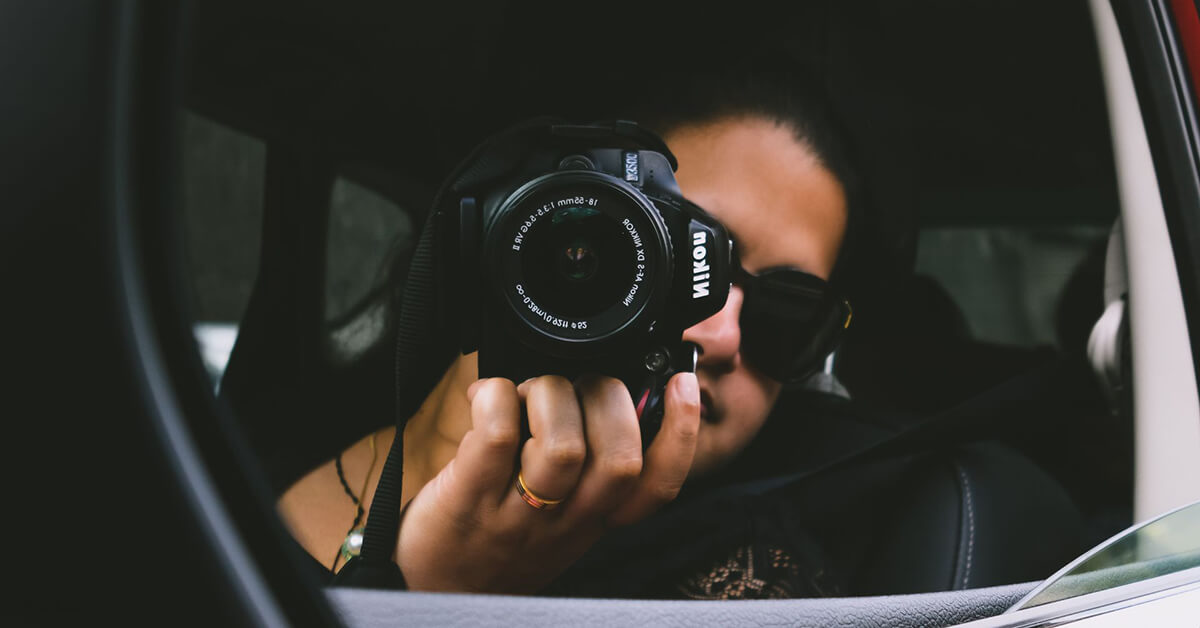
There are several myths about mirrors and photographs.
Myth 1: Mirrors Show Exactly How Everyone Sees You
Not exactly.
Mirrors reverse your reflection.
Other people usually see your natural left-right orientation.
Myth 2: Cameras Always Show the Truth
Not always.
Lens distortion, distance, lighting, perspective, and digital processing can change the final image.
Myth 3: A Bad Photo Means You Look Bad in Real Life
Absolutely not.
A photograph captures one moment under specific conditions.
It does not represent your complete appearance.
Myth 4: One Photo Represents Your Real Face
One photograph is only one perspective.
Different lenses, distances, angles, and lighting conditions can create very different results.
Myth 5: Mirrors Always Make You Look Better
Mirrors do not automatically improve your appearance.
You simply have greater familiarity and control when looking at yourself in a mirror.
Mirror vs Camera: A Practical Comparison
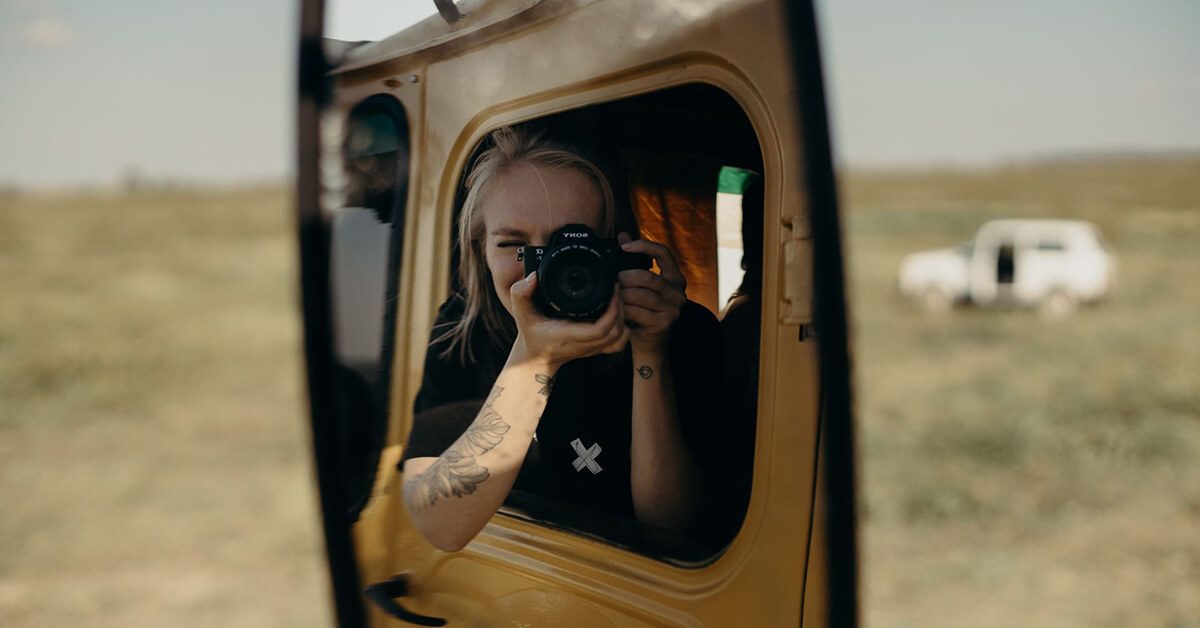
The following comparison makes it easier to understand the main differences between mirrors and cameras.
| Feature | Mirror | Camera |
| Image Orientation | Usually reversed | Usually unflipped |
| Real-Time View | Yes | Captured or recorded |
| Familiarity | Highly familiar | Often less familiar |
| Depth Experience | More natural and dynamic | Flat 2D image |
| Lens Distortion | No camera lens | Possible depending on lens |
| Surface Distortion | Possible with warped mirrors | Not applicable |
| Perspective | Based on your viewing position | Based on lens and camera position |
| Best for Grooming | Excellent | Less convenient |
| Best for Photography | Limited | Excellent |
| Similar to Others’ View | Reversed orientation | Closer, but still 2D |
| Lighting Influence | High | High |
| Image Processing | None | Often present in digital cameras |
The table shows that neither option is perfect.
A mirror is excellent for real-time observation and grooming.
A camera is useful for understanding how your appearance translates into photographs.
Using both provides a more complete perspective.
Frequently Asked Questions (FAQ)
Is a mirror or camera more accurate?
A camera is generally closer to how other people see you because it usually does not reverse your left and right sides. However, camera lenses, distance, angles, and lighting can distort the final image. A high-quality flat mirror and a properly taken photograph can both provide useful perspectives.
Do people see you like a mirror or camera?
People do not see you exactly like either one. A mirror shows a reversed reflection, while a camera creates a two-dimensional image. In real life, people see you in three dimensions, including movement, expressions, and different viewing angles.
Why do I look different in pictures than in the mirror?
You look different because mirrors reverse your image, while cameras usually capture your natural orientation. Camera lenses, distance, perspective, lighting, and angles can also affect how your face and body appear.
Is the mirror version of your face the real one?
The mirror version is a real reflection of your face, but it is horizontally reversed. Because you see this version regularly, it becomes familiar. Other people usually see your face in its non-reversed orientation.
Why do selfies make my face look strange?
Selfies are often taken from a close distance using wide-angle smartphone lenses. This can create perspective distortion and make certain features, such as the nose or forehead, appear larger or differently proportioned.
Which camera shows your face more accurately?
A camera positioned at a reasonable distance with a suitable focal length generally produces a more natural-looking image. Extremely close wide-angle selfies are more likely to distort facial proportions.
Do mirrors make you look better?
Mirrors do not necessarily make you objectively look better. However, you are more familiar with your mirror image and can naturally adjust your posture, facial expression, and angle.
Why do I prefer my mirror image?
Most people prefer their mirror image because they see it regularly. Your brain becomes familiar with the reversed version of your face, making it feel more natural than an unfamiliar unflipped photograph.
Does the camera add weight to your appearance?
A camera can sometimes make a person appear wider depending on the lens, angle, camera position, and distance. Lighting and clothing can also influence how body proportions appear in photographs.
Is video more accurate than a photo?
Video can provide a more realistic impression because it captures movement, expressions, and multiple moments. However, camera lenses, lighting, and perspective can still affect how you appear.
Conclusion: Mirror vs Camera – Which One Should You Trust?
So, which one is more accurate—the mirror or the camera?
The answer is that neither one provides a perfect representation on its own.
Mirrors give you a live and familiar reflection, but the image is reversed. Cameras usually show your natural left-right orientation, which is closer to how other people see you, but camera lenses, distance, perspective, lighting, and image processing can affect the result.
A close-up selfie taken with a wide-angle lens may distort your facial proportions.
A warped mirror may distort your body shape.
Poor lighting can change your appearance in both situations.
This is why it is impossible to judge your complete appearance based on only one reflection or one photograph.
The most realistic approach is to use multiple perspectives.
Look in a high-quality mirror.
Take photographs from a natural distance.
Compare different angles.
Watch yourself in video.
Observe how your appearance changes under different lighting conditions.
Most importantly, remember that people see you in real life—not as a frozen photograph and not as a reversed mirror reflection.
They see your expressions, movement, personality, and natural appearance from many different angles.
A mirror shows one perspective.
A camera shows another.
Together, they can help you better understand how you appear.
Instead of worrying about which image is the absolute truth, it is better to understand that your appearance naturally changes depending on perspective, lighting, movement, and technology.
In the end, both mirrors and cameras are useful tools. A mirror is perfect for everyday grooming and real-time observation, while a camera helps you understand how your appearance translates into photographs and videos.
The best way to see yourself more accurately is not to choose one and ignore the other—but to understand the strengths and limitations of both.